

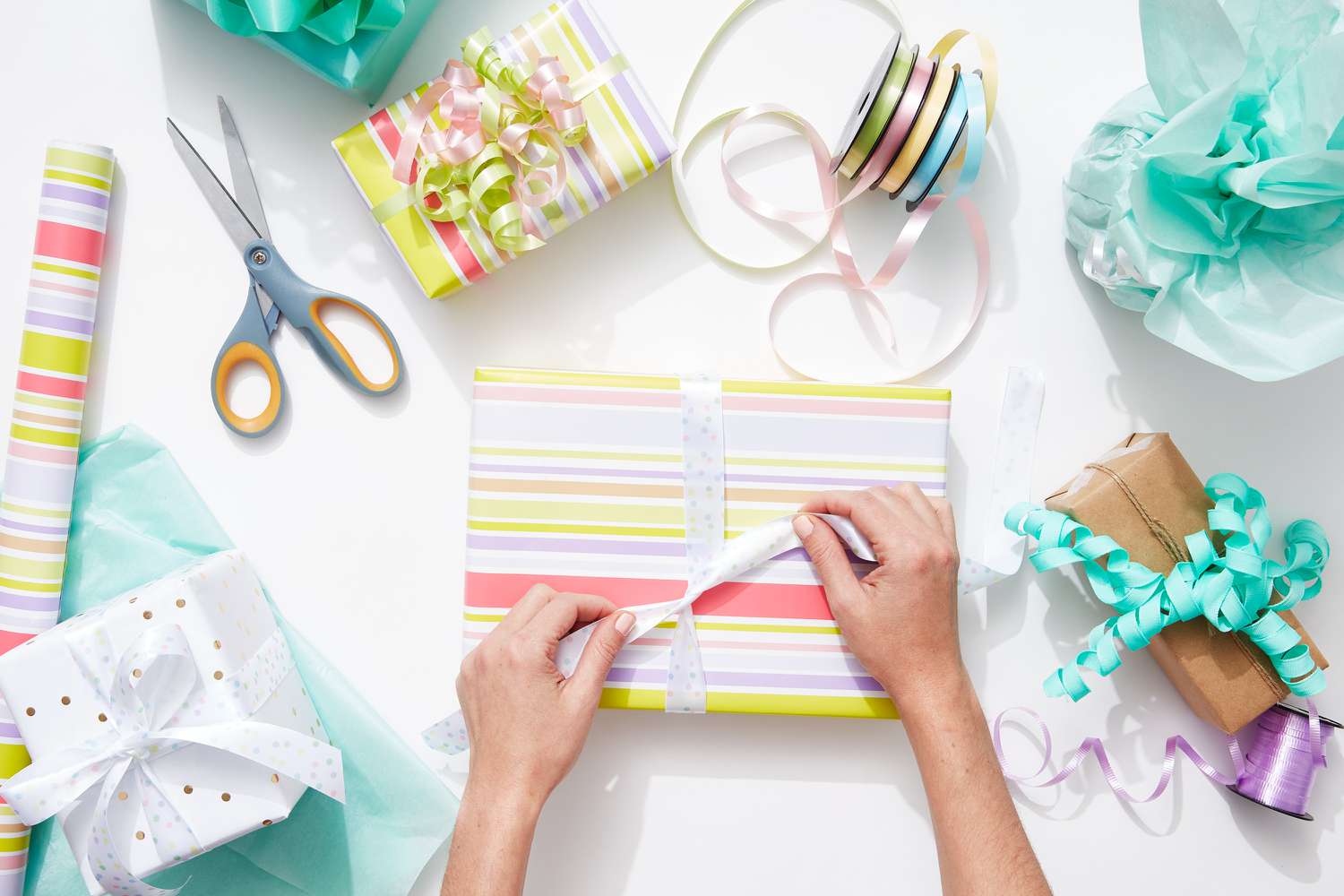
A beautifully wrapped gift builds excitement long before it is opened. I have always believed that presentation is part of the gift itself because it reflects the same care and attention that went into making the handmade item inside. Even a simple craft feels more valuable when it is packaged thoughtfully, while rushed wrapping can take away from an otherwise beautiful project.
Over the years, I have realized that professional-looking gift wrapping is not about buying expensive paper or elaborate decorations. Instead, it comes down to choosing the right materials, keeping the design balanced, and paying attention to the smallest details. How to Wrap Handmade Gifts Like a Pro is about creating an unforgettable first impression that complements the handmade gift and makes the entire experience feel special.
Choose Wrapping That Matches the Gift
One of the first things I consider is whether the wrapping reflects the style of the handmade project. Rustic wooden gifts pair beautifully with kraft paper and natural twine, while elegant candles or jewelry often look better wrapped in smooth matte paper with satin ribbon.
Matching the packaging to the personality of the gift creates a cohesive presentation. Soft colors, natural textures, and simple embellishments usually work well for a wide range of handmade creations.
The wrapping should enhance the gift rather than compete with it.
Invest in Quality Wrapping Materials
Good-quality wrapping paper, ribbon, scissors, and adhesive make a noticeable difference. Thin paper tears easily, wrinkles more noticeably, and often creates uneven folds that are difficult to hide.
I keep a small collection of neutral wrapping supplies on hand throughout the year. Kraft paper, white paper, black paper, cotton ribbon, linen ribbon, and double-sided tape are versatile enough to suit almost every occasion.
Quality materials help produce crisp, clean results with less effort.
Measure Before Cutting
Using too much wrapping paper often creates bulky folds, while using too little makes wrapping difficult. I measure the paper around the gift before making the first cut to ensure I have just enough to cover it neatly.
Sharp scissors create smoother edges that fold cleanly without tearing. Taking a few extra moments to measure carefully saves time and reduces wasted paper.
Accurate cutting immediately improves the overall appearance of the package.
Create Crisp Folds
Neat folds are one of the easiest ways to make handmade gifts look professionally wrapped. I carefully crease every edge using my fingers or a bone folder before securing the paper with tape.
Straight folds create clean lines that make even simple wrapping appear polished. Rushing this step often leads to uneven edges that are difficult to correct later.
Precision gives the finished package a refined appearance.
Hide the Tape
Visible tape can distract from otherwise beautiful wrapping. Whenever possible, I use double-sided tape placed underneath folded edges so it remains hidden from view.
If clear tape must be used, I apply only the amount necessary to hold the paper securely. Excess adhesive often becomes noticeable and collects dust over time.
Invisible fastening keeps the focus on the wrapping itself.
Coordinate Ribbon and Accessories
Ribbon should complement both the wrapping paper and the handmade gift. I usually select linen, velvet, cotton, or satin ribbon depending on the occasion and the style of the project.
Simple bows often look more elegant than oversized decorative arrangements. Coordinating the ribbon color with other gift details creates a balanced presentation.
Natural twine works especially well for rustic and farmhouse-inspired gifts.
Add Natural Decorative Elements
Some of my favorite gift decorations come directly from nature. Small sprigs of evergreen, eucalyptus, lavender, rosemary, dried flowers, or wheat add texture without overwhelming the package.
These natural accents pair beautifully with kraft paper and neutral ribbons. They also introduce subtle fragrance and seasonal charm.
Keeping decorative elements minimal prevents the package from feeling cluttered.
Personalize the Gift Tag
A handwritten gift tag immediately makes the package feel more personal. I enjoy using thick cardstock, recycled paper, or wooden tags decorated with simple illustrations or elegant lettering.
Including the recipient’s name and a brief handwritten message adds warmth that printed labels cannot replicate. Matching the tag to the overall wrapping design creates a finished appearance.
Small personal touches often leave lasting impressions.
Package Fragile Items Carefully
Beautiful wrapping means very little if the handmade gift arrives damaged. Whenever I am packaging delicate items such as candles, ceramics, ornaments, or glass decorations, I make sure they are properly protected before adding the decorative wrapping. Tissue paper, shredded kraft paper, fabric, or recyclable packing material helps cushion fragile pieces while keeping the presentation attractive.
I also select sturdy gift boxes whenever extra protection is needed. Boxes provide structure that allows the wrapping paper to remain smooth and crisp while preventing the contents from shifting during transport. For especially delicate gifts, I secure the item inside the box before adding decorative filler around it.
Taking these precautions allows recipients to enjoy both the presentation and the handmade gift exactly as intended.
Use Reusable Packaging
One wrapping technique I have grown to appreciate is using packaging that becomes part of the gift itself. Fabric gift bags, decorative baskets, wooden crates, storage tins, and reusable boxes eliminate unnecessary waste while providing lasting value.
Reusable packaging also gives handmade gifts a premium appearance. A hand-poured candle displayed inside a wooden crate or homemade treats presented in a decorative tin feel far more special than items wrapped in disposable packaging alone. The container continues serving a purpose long after the gift has been opened.
This approach combines sustainability with thoughtful design, making the presentation just as practical as the gift itself.
Match the Wrapping to the Season
Seasonal details help handmade gifts feel even more appropriate for the occasion. During spring, I enjoy soft pastel wrapping paired with dried flowers or floral ribbon. Summer gifts often feature fresh colors, lightweight fabrics, and botanical accents, while autumn packaging looks beautiful with kraft paper, cinnamon sticks, wheat stems, or warm earth-toned ribbon.
Winter offers opportunities to incorporate evergreen sprigs, pinecones, velvet ribbon, or metallic accents that complement holiday celebrations without appearing excessive. Keeping the seasonal details subtle allows the handmade craftsmanship to remain the main attraction.
Coordinating colors and natural elements with the time of year creates a polished presentation that feels intentional from beginning to end.
Finish With a Final Inspection
Before presenting any gift, I take a few moments to inspect the finished package carefully. I smooth wrinkles, straighten ribbon, trim loose threads, remove fingerprints, and ensure every fold remains crisp. These small adjustments often make the difference between ordinary wrapping and a professionally finished presentation.
I also check that gift tags are securely attached and positioned neatly. If the package will be transported, I gently shake it to confirm the contents remain secure inside. Addressing these details beforehand prevents surprises later.
A final inspection demonstrates the same level of care that went into creating the handmade gift itself. The extra effort may take only a few minutes, but it leaves a lasting impression from the moment the recipient receives the package.
Final Thoughts
Wrapping is more than a protective layer around a handmade gift. It introduces the project, builds anticipation, and communicates the thought and creativity invested in every stage of the process. Careful presentation transforms even simple crafts into memorable gifts before the wrapping paper is ever removed.
How to Wrap Handmade Gifts Like a Pro comes down to thoughtful planning, clean techniques, and attention to detail. By selecting quality materials, coordinating colors, using natural accents, and finishing every package with care, it is possible to create presentations that look polished, elegant, and worthy of the handmade gift inside. Thoughtful wrapping completes the entire gifting experience and leaves recipients with an unforgettable first impression.
