

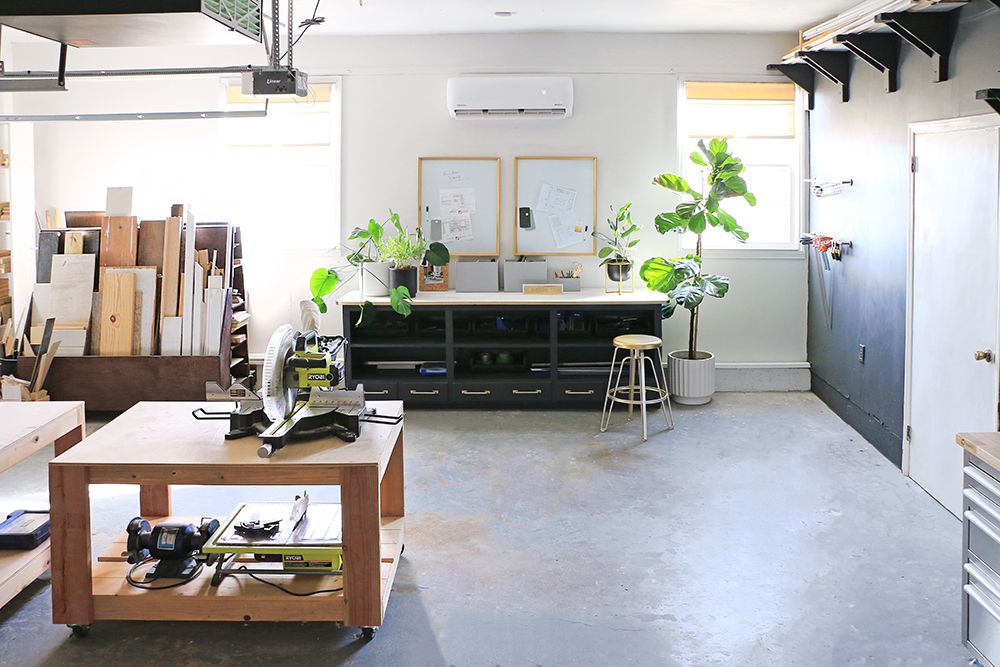
Making handmade gifts is one of the most rewarding creative hobbies I have ever discovered. There is something incredibly satisfying about turning simple materials into thoughtful presents that cannot be found on a store shelf. Every project carries a personal touch, making the recipient feel appreciated in a way that mass-produced gifts often cannot match.
When I first started crafting, I assumed beautiful handmade gifts required years of experience or expensive equipment. Fortunately, I quickly learned that neither was true. With a little patience, the right materials, and a willingness to practice, anyone can create gifts that look polished and meaningful. Beginner’s Guide to Creating Beautiful DIY Gifts is designed to help new crafters build confidence while avoiding common mistakes that often discourage beginners.
Start With Simple Projects
One of the biggest mistakes I made in the beginning was choosing projects that were far beyond my skill level. While ambitious ideas can be exciting, they often become frustrating when basic techniques have not yet been mastered.
I found much greater success by starting with simple projects such as personalized mugs, scented candles, painted flower pots, decorative picture frames, handmade coasters, bookmarks, and gift baskets. These projects allow beginners to practice essential skills without becoming overwhelmed.
Completing smaller projects successfully builds confidence for more advanced creations later.
Gather Basic Craft Supplies
You do not need an entire craft room filled with equipment to create beautiful gifts. I started with a small collection of reliable tools that could be used across many different projects.
My beginner toolkit included quality scissors, a craft knife, self-healing cutting mat, ruler, measuring tape, paintbrushes, hot glue gun, wood glue, acrylic paints, pencils, sandpaper, and a few basic adhesives. As my skills improved, I gradually added more specialized tools instead of purchasing everything at once.
Building supplies slowly helps avoid unnecessary expenses while ensuring every tool gets regular use.
Choose Quality Materials
Although handmade gifts can be very affordable, I have learned that using the cheapest materials available does not always produce the best results. Better-quality wood, fabric, paper, ribbon, or paint often makes projects easier to complete while producing a more professional finish.
This does not mean spending a fortune. Instead, I focus on purchasing dependable materials for the parts of the project that matter most while saving money on decorative accents when possible.
Quality materials often reduce frustration and improve durability.
Learn Basic Techniques
Every craft builds upon a few essential skills. Measuring accurately, cutting straight lines, sanding wood smoothly, painting evenly, applying glue carefully, and allowing finishes to dry properly are all techniques worth practicing.
Rather than rushing through projects, I spend time improving these basic skills because they influence almost every handmade gift I create.
Strong fundamentals make advanced projects much easier in the future.
Follow Instructions Carefully
When trying a new project, I avoid skipping steps or assuming I already know what comes next. Reading instructions from beginning to end before starting helps me understand how each stage connects to the next.
Preparing every material in advance also prevents interruptions halfway through the project.
Careful planning almost always leads to better results.
Practice Before Personalizing
Personalization often becomes the highlight of a handmade gift, but I rarely apply names, initials, or decorative lettering without practicing first.
Testing paint pens, engraving tools, vinyl placement, or embroidery stitches on scrap materials helps prevent mistakes on the final project.
A few minutes of practice can save hours of repair work later.
Keep Your Workspace Organized
A cluttered workspace quickly slows the creative process. I try to keep frequently used tools within easy reach while storing less common supplies in labeled containers nearby.
Cleaning as I work also prevents glue, paint, and scraps from piling up around the project.
An organized workspace allows creativity to remain the focus.
Be Patient With Drying Times
One lesson I learned quickly was that rushing almost always leads to mistakes. Paint, stain, glue, resin, and protective finishes all require adequate drying or curing time.
Trying to speed up the process often results in fingerprints, smudges, peeling finishes, or weakened joints.
Patience produces cleaner, more durable projects.
Focus on Neat Finishes
Beautiful handmade gifts are often defined by their finishing details rather than their complexity. I always inspect my work carefully before considering a project complete.
I remove glue residue, sand rough edges, straighten ribbon, trim loose threads, clean fingerprints, and apply protective finishes where necessary.
Small finishing touches create a much more professional appearance.
Add Meaningful Personalization
One of the greatest advantages of handmade gifts is the opportunity to make every project unique. Adding names, initials, meaningful dates, favorite colors, family photographs, or inspirational quotes transforms an ordinary craft into something deeply personal.
I try to personalize thoughtfully rather than excessively. A subtle engraved date or neatly embroidered monogram often has a stronger impact than covering every surface with decorative elements. The goal is to enhance the project without overwhelming its design.
Thoughtful personalization creates emotional value that lasts long after the gift has been received.
Learn From Mistakes
Every crafter makes mistakes, especially in the beginning. I have painted the wrong side of projects, measured incorrectly, spilled glue, and cut materials too short more times than I can count. Instead of becoming discouraged, I learned to view these moments as opportunities to improve.
Keeping small samples of failed projects reminds me how much progress I have made over time. Many mistakes also teach creative problem-solving because they encourage finding alternative solutions instead of starting over.
Progress comes through experience, not perfection.
Find Inspiration Without Copying
I enjoy looking through magazines, social media, craft blogs, and home décor websites for ideas, but I try to use them as inspiration rather than exact templates. Adding my own colors, materials, layouts, or decorative details helps each project feel original.
Creating a folder of inspiration images also helps me identify recurring styles that match my personal preferences. Over time, this allows me to develop a recognizable creative style instead of constantly following trends.
Original ideas often emerge by combining inspiration from several different sources.
Finish With Beautiful Packaging
Presentation is part of the gift itself. I enjoy wrapping handmade creations in kraft paper, reusable fabric, decorative boxes, woven baskets, or glass jars depending on the project. Coordinating the packaging with the colors and style of the gift creates a polished first impression.
A handwritten card explaining why I made the gift adds another thoughtful layer that recipients genuinely appreciate. These personal touches require very little effort but greatly enhance the overall experience.
Beautiful packaging demonstrates that care was invested from the beginning of the project all the way through to the final presentation.
Keep Practicing New Skills
Crafting is a hobby where learning never truly ends. Every project introduces new techniques, materials, and creative possibilities. I regularly challenge myself by experimenting with unfamiliar tools, finishes, and design styles while continuing to practice the basic skills that form the foundation of every successful project.
Over time, these small improvements build confidence and expand the types of handmade gifts I can create. Projects that once seemed intimidating eventually become enjoyable because they are supported by experience gained through consistent practice.
The more I create, the more rewarding the entire crafting process becomes.
Final Thoughts
Creating beautiful DIY gifts is not about having the most expensive tools or years of professional experience. It begins with simple projects, quality materials, careful planning, and a willingness to learn from every creative experience. Small improvements made consistently often produce remarkable results over time.
Beginner’s Guide to Creating Beautiful DIY Gifts shows that anyone can develop the skills needed to make thoughtful handmade presents. By mastering basic techniques, staying organized, personalizing each project with care, and paying close attention to finishing details, beginners can create gifts that look polished, feel meaningful, and become treasured keepsakes for family and friends. Every completed project builds confidence for the next one, making the journey of handmade gift making just as rewarding as the gifts themselves.
